


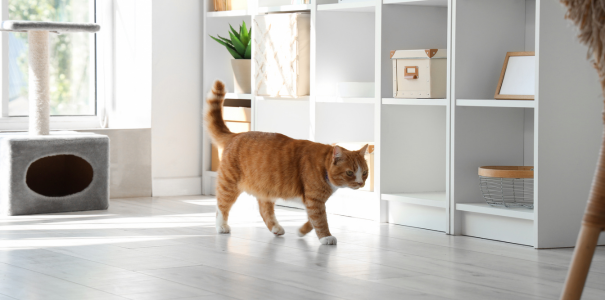
When it comes to keeping your cat happy and healthy, what you provide them at home matters, but where you put it matters even more. Cats are instinct-driven animals, and their home environment should reflect how they would naturally eat, drink, rest and stay safe in the wild. By thoughtfully arranging your cat’s key resources around your home, you can support their wellbeing, reduce stress, and even encourage better eating and drinking habits.
Whether you’ve got a new cat moving in or refining your current setup, here’s some tips on how to get it right for them.
Why your cat’s environment matters
Our favourite felines thrive when they have access to multiple, well-placed resources that allow them to express natural behaviours like hunting, resting, hiding and toileting. It might not seem a big deal, but to a cat, having their bits and bobs in the wrong order can lead to stress, reduced appetite and unwanted behaviours. They really do love routine.
A good rule of thumb? Cats prefer their resources spread out, in quiet spots and with options available, especially in multi-cat homes. And who said cats weren’t high maintenance?!
Food bowls
Cats feel vulnerable when they eat, so where you place their food bowl is key to encouraging a healthy eating pattern at home.
- Choose a quiet and calm spot away from any busy halls or noisy appliances
- Keep their food away from doors or entrances where other animals or people could cause them stress
- Avoid placing food near their water source, litter trays or sleeping areas, cats like to keep these things separate – as they should!
- Also, try to avoid placing bowls directly up against walls, so they can keep their eye on the room and feel more relaxed whilst they enjoy their meal
Top tip: If your cat seems unsure at mealtimes, try relocating their bowl to a more private, serene space. You might see an immediate improvement in their eating habits and a calmer cat overall!
Water
Unlike dogs, cats often prefer to drink away from where they eat. This instinct comes from the wild, where water near food could be contaminated. Cats are notoriously bad drinkers, but could it just be the case of simply switching up where they get their water?
- Place their water in a completely separate area from their food
- Cats like choice, so offering them multiple water stations around the home can help keep them adequately hydrated. Their preference is usually the glass of water you left by your bed!
- Choosing quiet, calm and easily accessible spots will also encourage them to keep sipping
- Due to instinct, cats tend to prefer running water. So investing in a cat water fountain will also be a big win in keeping them adequately watered
These simple tips can significantly improve your cat’s hydration, which is especially important if they’re on a predominantly dry food diet.
Litter trays
Cats are naturally clean and very particular when it comes to their toilet habits. Badly placed litter trays are one of the most common causes of toilet issues at home. So what’s the best option?
- Absolutely keep trays well away from food and water, we’re pretty sure the humans would feel exactly the same way, so keep it consistent for your cats!
- Choose quiet and private spots, so your cat doesn’t feel anxious at a vulnerable time
- Avoid placing trays next to noisy appliances like washing machines, keeping distractions to a minimum for ultimate toilet calm
- Keep it clean! Scoop every day and aim for a full ocean out once a week
- Ensure your cat’s tray is deep enough for their natural toileting behaviours like digging and covering
In multi-cat households, follow the golden rule – one litter tray per cat, plus one extra! It might sound like a lot, but taking on multiple cats means an increased chance of accidents, so better to overprovide and avoid any issues. Spacing these out across different areas helps reduce competition and stress amongst your cat pack.
Scratching posts – location is everything
Scratching isn’t just about claws – it’s a way for your cat to stretch their little legs and relieve stress. It might seem destructive, but it’s basically cat therapy and even a way of communicating their presence to other felines via scent glands in their paws.
To encourage your cat towards their scratcher and away from your precious sofa:
- Place scratching posts near doorways or high-traffic areas in your home. The cats will see the scratcher as a way to mark their territory
- Cats often like to scratch after they wake up, so a strategic scratcher by their snooze station is key
- Multiple-choice scratchers might sound a bit spoilt, but it gives your cat more options than just defaulting back to your favourite chair! Try out horizontal and vertical options with plenty of height to see what your cat prefers.
Snoozing
Cats spend a huge portion of their day sleeping, and naturally, they love having a choice of snoozing spot. The best ways to keep them content in their 18 hours of dozing? Try these:
- Several different sleeping options around your home, cats naturally like to rotate their sleeping locations
- Be sure to include hidden, secluded spots for extra comfort
- And on top of that, add some elevated spaces like shelves or cat trees, as cats often feel safer up high, surveying their territory
Some cats will prefer to be near you, while others will seek solitude. Giving them options allows them to regulate their own comfort and feel as safe and secure as possible at home.
Single cat vs multi cats
Just because you have an only cat child, doesn’t mean they don’t enjoy options! Following our tips and providing multiple resource spots for your four-legged friend will keep them at optimal happiness.
If you’re sharing your home with more than one cat, it’s essential to get your resource setup right to keep all the kittens happy. Providing your cats with multiple, separate stations for everything – food, water, litter, beds – keeps competition low and everyone happy with their lot.
It’s also important to avoid forcing cats to share key areas. Cats aren’t naturally group feeders, and competition can sometimes lead to stress or reduced food intake. Think of it as creating a “network” of resources throughout your home, rather than centralising everything in one spot for ultimate cat clowder serenity.
A well-designed home setup isn’t about having more; it’s about placing things thoughtfully and effectively for your cat’s happiness. By aligning your home with your cat’s natural instincts, you’ll create an environment where they feel safe and secure, and where healthy habits will come naturally.